Explore wellness with Rejuvenate Me Now Wellness
Welcome to the Rejuvenate Me Now Wellness blog, your source for monthly insights on yoga, mind-body connection, healthy eating, and self-care. Dive in and discover inspiration to enhance your wellness journey. Book a session today and start your path to rejuvenation.
Read our latest news
Spinal Flow as a Healing Modality
Did you know that the body can heal itself? Its true! It was designed that way. There is an innate intelligence in your body that with the right communication self-healing is activated.
Hi, I’m Robin. I am a Spinal Flow practitioner. I have been teaching people about this intelligence for almost two years. I am still in such awe of the human body. Spinal Flow is a gentle, hands‑on healing modality that focuses on the spine and nervous system to release physical, emotional, and chemical stress. When things happen in life and we tuck it back to think about later or repress the traumatic memory, it is stored in the spine. It can be stored there for years. As we go through more things in life, the once small blockage gets bigger until it eventually causes dis-ease in the body. We as humans don’t want to slow down and listen to the body so, it will warn us with a soft voice until the blockage gets so big that we must get help. Most of the population will turn to a doctor and will receive some medication to stop the masking pain. The root of the problem, however, is the blockage caused by the trauma we have gone through in our lives. That takes a healer who looks for the root cause. Our body remembers everything and holds on to all life’s little and big things that do not sit well with us. These things store in the muscles, fascia, bones, and yes, even in the spine. Spinal Flow is a gentle and easy way of getting the emotional, physical or chemical blockages out of the way so the bodies' systems can perform in their optimal function. When a practitioner uses the access points on the body, it wakes up these systems to remove the blockages. This process helps the body shift from fight-or-flight to safety, which is often called rest-and-digest, allowing natural healing to occur. The body feels safe enough to remove those stories that are stored. You don’t have to rush them out of the body or talk about them, but it’s a gentle nudge, a quiet holding to help restore the nervous system. Over time and treatments that story isn’t gone from the memory, but it is removed from the spine and tissue. A story that was once painful to even think about becomes just another story from your life that you can tell with ease.
Spinal Flow is part of chiropractic, somatic, and a neurological process to promote wellness and healing to the nervous system. Just by gentle touch to the access points, the cerebral spinal fluid moves and begins to “wave” within the body. It is a beautiful sight to see. The body is doing this effortlessly and naturally. In that waving, the intelligence in the body is removing the blockages and balancing systems to promote the best healing straight from the body itself. We cannot pinpoint any one miraculous part to be healed, but the body knows what is ready to heal and does so with no resistance.
Spinal Flow is for anyone. It’s a perfect way to make sure a newborn baby comes into this world fully aligned and healthy. Children and adults alike enjoy the peaceful and healing time on the table. Anyone who has a spine and would like to be in a parasympathetic state can benefit from it.
Ultimately, Spinal Flow invites a shift in how we understand healing — not as something imposed on the body, but as something awakened within it. By working gently with the spine and nervous system, this method encourages the body to return to a state of safety, ease, and natural coherence. Whether viewed through the lens of neuroscience, somatic psychology, or energetic medicine, Spinal Flow highlights the profound connection between the spine and our overall state of well-being.
Robin Mallard
Tranquil Flow and Wellness
(972) 571-4000
Tips for practicing Self-Care
At the start of each year, I have my goal setting established, and I am ready to begin on January 1st. I do it for all areas of my life: personal and professional development, spiritual growth, relationships, financial and even travel. What I have become increasingly aware of is my need to schedule self-care so that my ambitions don’t accidentally run me into the ground.
Many people mistakenly believe that self-care is just pampering—something indulgent, unnecessary, or reserved for those with lots of free time or extra resources. It’s easy to see activities like meditation, going for a walk, or even reading a book as luxuries instead of essentials. But self-care is for everyone, no matter what your background or life stage. For instance, caregivers and healthcare workers need self-care to recharge and manage stress; students benefit from mindfulness or journaling to stay focused and cope with academic pressures; retirees might find exercise and social connection helpful for maintaining wellness; and busy professionals can use regular breaks, movement, and seeking support to avoid burnout. Simple practices like stretching, enjoying nature, talking with friends, or unplugging from technology are powerful ways to restore your energy and nurture your mental health. Embracing self-care helps you strengthen relationships, gain new insights, and maintain balance, making it an important part of life for all of us.
As you are contemplating how you might work self-care into your life, consider the following eight dimensions of wellness:
Emotional wellness, Environmental wellness, Financial Wellness, Intellectual wellness, Occupational Wellness, Physical wellness, Social Wellness and Spiritual wellness.
Emotional and spiritual wellness might benefit from prayer or meditation, physical wellness can benefit from a walking program, time at the gym or a yoga class. Financial self-care might be the implementation of automated savings or budgeting strategies. Take regular breaks and use all your vacation time for effective occupational self-care. Social wellness involves seeking connection with others and still having time to disengage for personal recharging time.
By establishing good self-care routines, you can feel more grounded and gain a better understanding of your own needs, desires, and boundaries. For example, regularly practicing self-care activities like journaling or meditation can help you stay present and centered in your daily life. Taking time for self-care also empowers you to make wise choices about your energy and resources, ultimately strengthening your relationship with yourself and others. Start to create space for your self-care routine and take steps to find harmony and balance in your daily life.
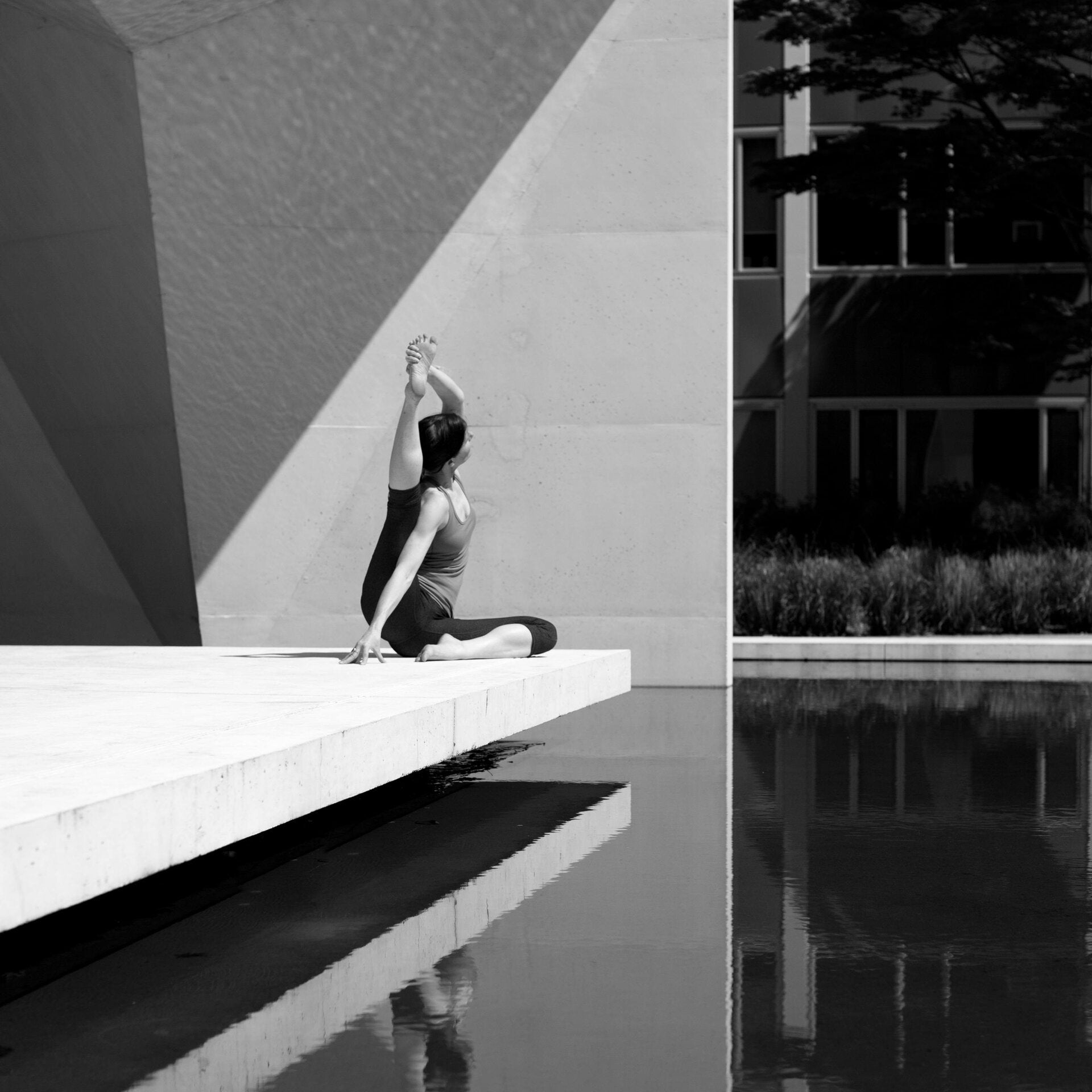
Yoga and wellness
Explore the transformative power of yoga and wellness practices with Rejuvenate Me Now Wellness. Learn how to integrate yoga into your daily routine for enhanced physical and mental well-being. Discover our unique approach, combining traditional techniques with holistic therapies to support your journey to optimal health.
Yin yoga is a slow-paced style of yoga that involves holding passive poses for extended periods of time. The focus of the poses is to release tightness in the ligaments and fascia. These poses can be held for as little as one minute and up to 10 minutes per pose. The focus is on the breath as you hold with gentle discomfort, but no pain. The use of bolsters, straps and block aid you in your successful hold of each pose. I recommend a good 5-7 minute warm up and then do your chosen yin poses for a duration of 1 minute per pose. You can increase the duration based on your own personal tolerance. Be sure to have a 4–6-minute savasana at the end of your program to release tension from the body. As always, stay well hydrated to release toxins and replenish nutrients back into your cells. Try this Yin yoga sequence out!


Mind body connection
Understand the profound connection between your mind and body with Rejuvenate Me Now Wellness. Our expert guidance will help you unlock the potential for healing and balance through mindfulness and integrative therapies. Discover techniques to reduce stress, enhance self-awareness, and cultivate inner peace.
Mindfulness, a form of meditation, is the observation of what is happening in the moment, in our thoughts, feelings and emotions, without judgement. Mindfulness can be applied to the way we prepare, cook and eat our food. In an article from Greater Good Magazine, researchers found that people that prepared their own food enjoyed the flavor more so than just observing the food preparation. When we cook our own food, we can control the ingredients to be lower in sodium and fat and select nutrient dense options for healthier meals. When we take the time to prepare a menu, shop for ingredients and plan time to cook our meals, we are invested in the process. This sets the stage for eating a healthy meal that is tasty and deserves to be savored.
Do Rituals Help Us to Savor Food? (berkeley.edu)
Practice Mindful Eating
As Director of Mindfulness Research at Harvard, Lilian Cheung suggests thinking about your food while you eat it. It can almost become a form of meditation the way she describes the process in this interview with NPR's All Things Considered.
Be Mindful of your fluid intake too
The human body is 55-65% water and water is the most vital nutrient in the body. Water is essential in regulating the body's temperature, cellular function, nutrient delivery and waste removal. We should drink 10-13 cups of water a day, more if your sweat a great deal with work or exercise. Fluids can come from our foods too. To learn more check out this article from UCLA. DrinkToYourHealth.pdf (ucla.edu)
Want to start a mindfulness practice but don't know where to start. Consult a registered dietitian for tips or a meditation teacher that can help you bring mindfulness into all aspects of your daily living.

Eating healthy
Nourish your body from the inside out with Rejuvenate Me Now Wellness. Our resources provide practical tips and delicious recipes to support your healthy eating habits. Learn how to make mindful food choices that energize your body and promote overall wellness. Explore the connection between diet and well-being with our informative blog posts.
